
As the modern workforce continues to evolve, flexibility, mobility, and sustainability have become the core principles shaping how organizations approach their workspace needs. Businesses today operate in an era of rapid change—where projects scale overnight, teams move fluidly between locations, and adaptability often determines success.
Traditional office setups, with their fixed footprints and high overhead costs, can no longer keep pace with industries that must move fast, scale efficiently, and deploy resources seamlessly. Building permanent structures for temporary or mobile operations simply isn’t practical or sustainable.
This is exactly where foldable container offices are transforming the game.
These next-generation modular spaces redefine what it means to design efficient, eco-conscious, and cost-effective workspace solutions. From bustling urban development projects to remote field operations, foldable container offices combine engineering precision with real-world practicality. Their flexible nature makes them not only a smart investment, but a forward-thinking solution to the growing demand for mobile infrastructure.
They are more than just portable offices, they represent a new philosophy of work built around agility, innovation, and environmental responsibility.
What Are Foldable Container Offices?
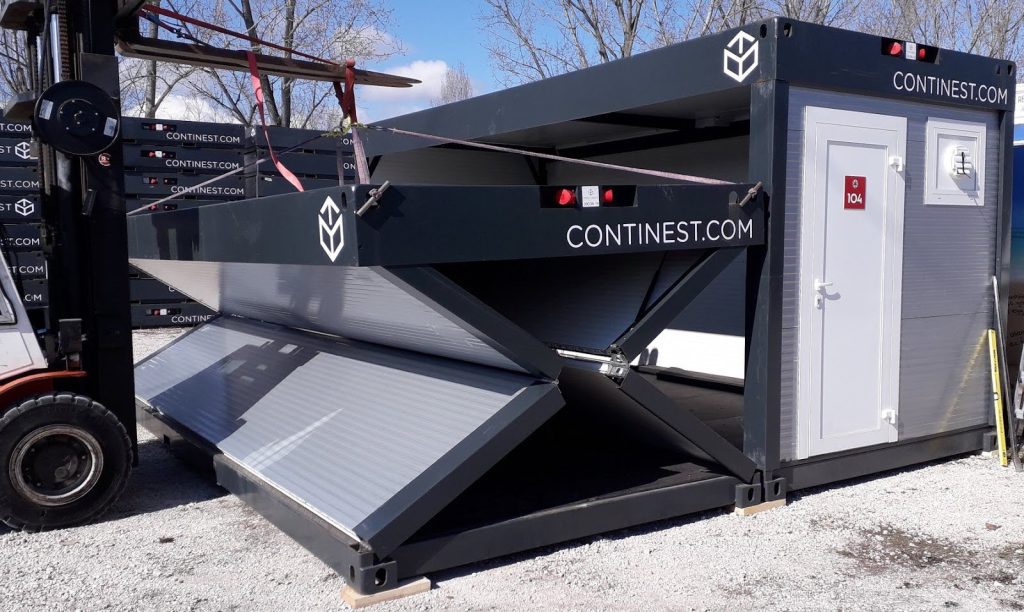
Foldable container offices are modular, fully equipped workspaces designed for rapid deployment, minimal logistics, and effortless relocation. Unlike conventional shipping containers that are heavy, rigid, and require specialized transport, foldable containers revolutionize mobility through their collapsible engineering.
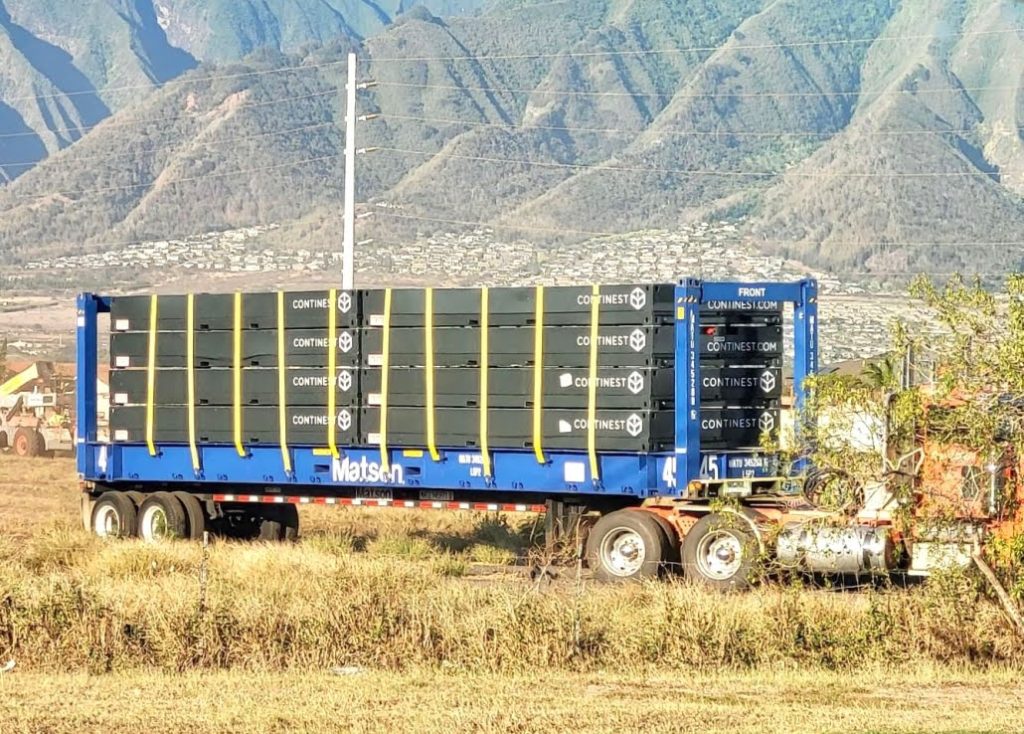
At the forefront of this innovation, Continent’s foldable units are uniquely designed to fold down to just one-fifth of their expanded size, allowing up to five containers to be transported in the same space as a single traditional unit. This drastically reduces transportation costs, carbon footprint, and logistical challenges, all while maintaining the durability and comfort expected of a permanent office.
When deployed, these containers unfold within minutes to create fully functional, insulated office environments, complete with:
- Integrated electrical systems and power access
- LED lighting and built-in ventilation
- HVAC compatibility for temperature control
- Optional furnishings and storage solutions
This speed and efficiency make foldable container offices ideal for companies that can’t afford downtime or lengthy construction timelines.
Industries Leading the Shift
Foldable container offices are quickly gaining traction across a diverse range of sectors, including:
- Construction firms managing multiple job sites that need instant office setups for supervisors and engineers.
- Event organizers establishing temporary on-site headquarters for operations, logistics, or security teams.
- Disaster response and humanitarian organizations requiring deployable command centers that can move where help is needed most.
- Remote fieldwork companies in energy, mining, or environmental research looking for sustainable, reusable, and easy-to-relocate solutions.
Each industry finds unique value in the same core advantage—freedom from fixed infrastructure.
For a deeper look at how this technology works, see our guide:
[Modular Buildings: A Beginner’s Guide to Foldable Containers and Infrastructure].
Why the Future Belongs to Foldable Workspaces
The global workforce is no longer defined by one location. Teams are distributed, projects are temporary, and sustainability has moved from an option to a requirement. Foldable container offices align perfectly with these shifts.
They offer:
- Mobility — Offices that go wherever the work is.
- Adaptability — Modular setups that scale up or down effortlessly.
- Sustainability — Compact transport, reusable materials, and reduced waste.
- Affordability — Lower transport, setup, and teardown costs compared to traditional builds.
In many ways, foldable container offices represent the intersection of innovation and necessity. They are not a passing trend—they are a response to the realities of how we work today and where we’ll work tomorrow.
With their blend of durability, design, and environmental awareness, foldable container offices are setting a new global standard for mobile, modular, and sustainable workplaces.
The Rise of Mobile Offices for Jobsites
Jobsites are fast-paced, high-stakes environments that demand constant adaptability. From large-scale infrastructure projects to compact construction sites, teams must operate efficiently—often in remote or constantly changing locations. For project managers, engineers, and field staff, having a reliable workspace that can be set up quickly, relocated easily, and configured to match the scope of each project is not a luxury—it’s a necessity.
This is where mobile offices for jobsites have become an indispensable asset. They provide an instant workspace that brings together comfort, communication, and coordination directly on-site—helping teams make better decisions, faster.
Unlike traditional jobsite trailers that require complex logistics and often offer limited durability, foldable container offices deliver a superior, future-ready alternative. They offer:
- Superior durability – Constructed from high-grade steel for long-term use and resistance to harsh environments.
- Enhanced insulation – Designed to maintain comfort in both hot and cold climates, ensuring consistent productivity year-round.
- Rapid deployment – Units can be set up in as little as 15–30 minutes, minimizing downtime.
- Stackable scalability – The ability to link or stack units makes it easy to expand or reconfigure operations as projects grow.
With their modern design, energy efficiency, and ease of mobility, Continest USA’s mobile offices for jobsites have become a trusted choice for both short-term and long-term field operations—combining contemporary aesthetics with robust functionality.
The Evolution of Temporary Modular Office Solutions
The concept of temporary modular office solutions has existed for decades, but the technology driving them has advanced dramatically in recent years. What was once a logistical challenge is now an exercise in precision engineering and sustainable design.
Earlier modular structures often came with significant drawbacks—bulky transport requirements, labor-intensive assembly, and limited reusability. They were practical but rarely efficient.
Today, that narrative has completely changed. Foldable container technology represents a new generation of modular innovation, one that prioritizes:
- Compact transport efficiency, allowing multiple units to be shipped in the space of one standard container.
- Minimal setup labor, with on-site assembly completed in minutes rather than hours or days.
- Reduced carbon emissions, thanks to smarter shipping logistics and reusable components.
- Customizable interiors, designed to meet the needs of every project—from executive offices to command centers.
This evolution has made temporary modular office solutions more attractive than ever, especially for organizations that need to balance mobility, cost-efficiency, and sustainability. With the growing focus on ESG goals and smart infrastructure, these adaptable systems are now seen not just as temporary structures—but as essential tools for modern operations.
Stackable Modular Offices: Building Vertically, Working Smarter
In many work environments, space is the most valuable commodity. Urban jobsites, event venues, and industrial compounds often face strict spatial constraints, making traditional office setups inefficient. Stackable modular offices solve this challenge through smart vertical design.
These systems allow multiple modular units to be stacked up to three levels high, creating a multi-story structure that optimizes space while improving workflow organization.
Instead of spreading out across a large footprint, teams can now build upward—dedicating each level to specific functions such as:
- Management and administrative offices
- Planning and logistics departments
- Crew rest areas or meeting spaces
This approach not only enhances organization but also fosters better collaboration across departments.
The same foldable and stackable systems are now transforming temporary sports events and large-scale gatherings, where rapid setup, teardown, and efficient land use are critical.
Read more in [How Modular Foldable Containers Are Transforming Temporary Sports Event Infrastructure]
Key Benefits of Stackable Modular Systems
- Maximized land use in constrained environments
- Clear workflow separation for different operational zones
- Scalability that supports expansion or downsizing as needed
- Engineered safety, with interlocking systems and load-tested components ensuring structural integrity
Continest USA’s stackable modular offices are rigorously tested for long-term and repetitive use, offering the flexibility to grow vertically while maintaining the same strength and safety standards as permanent structures.
The Future of Customizable Jobsite Office Units
No two companies operate alike—and that’s why customizable jobsite office units are reshaping how businesses think about their on-site infrastructure.
These modern, foldable structures can be custom-tailored to reflect the unique workflow, brand identity, and operational needs of any organization.
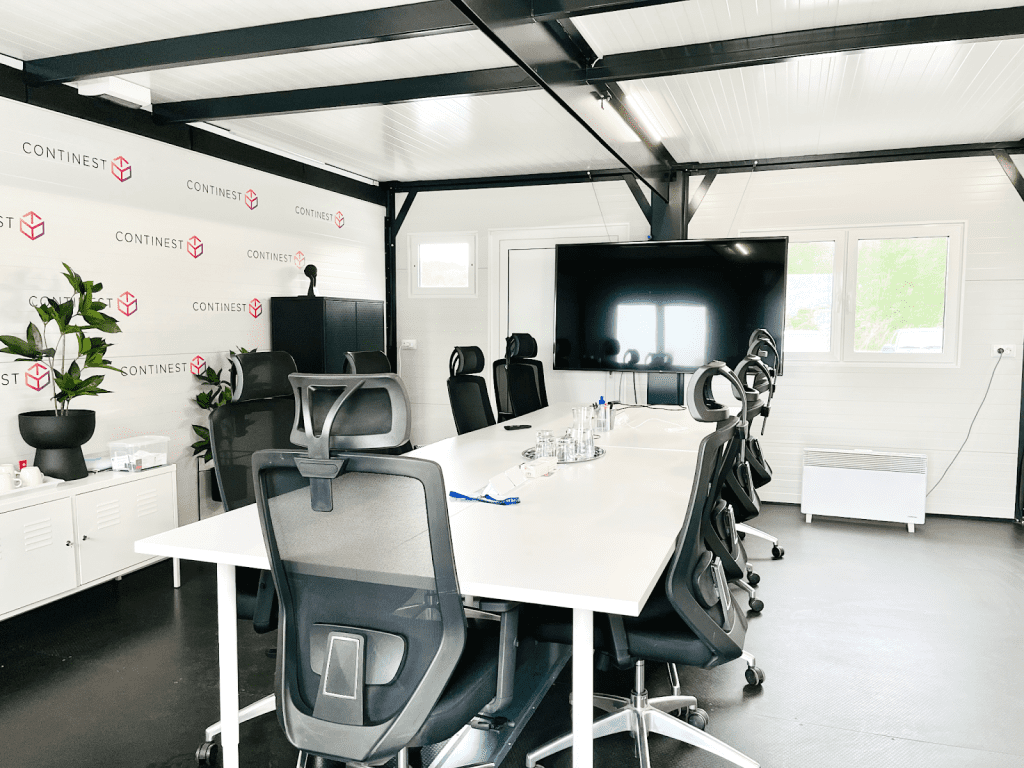
Imagine walking into a field office that feels like your company headquarters—complete with integrated workstations, climate-controlled interiors, and branded exteriors that showcase your company’s professionalism.
Popular Customization Options Include:
- Built-in desks, shelving, and modular storage systems
- Soundproofing and climate control for optimal comfort
- Electrical and data integration, including Wi-Fi connectivity
- Exterior branding and graphics for company visibility
This level of customization creates a sense of permanence and quality without the restrictions of a fixed location.
With Continest USA’s customizable jobsite offices, your workspace evolves alongside your business, adapting to each project, site, and season.
Foldable Infrastructure in Action: Emergency Response & Relief
Perhaps the most powerful application of foldable infrastructure is seen during moments of crisis. When natural disasters strike, or urgent humanitarian relief is needed, time becomes the most valuable resource.
Foldable modular units can be rapidly deployed to provide immediate shelter, command centers, and medical stations—offering safety and stability when it matters most.
A standout example is Continest’s role in the Maui Wildfire Relief, where the ‘Ohana Hope Village project used foldable modular units to create vital temporary homes and support offices for displaced families.
This initiative illustrates how portable, stackable, and reusable modular systems can serve a dual purpose: addressing urgent social needs while demonstrating the highest standards of engineering and environmental consciousness.
In humanitarian and emergency response contexts, foldable container solutions have proven to be not only effective but transformative—turning innovation into impact.
Sustainability: The Hidden Strength of Foldable Container Offices
While flexibility and speed often take center stage, the true strength of foldable container offices lies in their sustainability.
Traditional construction for temporary or relocatable offices can be incredibly wasteful—requiring single-use materials, extensive transportation, and large amounts of energy. Once a project ends, those materials are often discarded, adding to landfill waste.
Foldable container technology challenges that model by focusing on longevity, efficiency, and environmental stewardship.
Key Sustainable Advantages:
- Reusability — Each foldable container can be deployed, collapsed, and redeployed hundreds of times across different projects.
- Reduced emissions — Their compact, foldable transport system cuts fuel consumption and CO₂ output by up to 80% compared to traditional units.
- Durability — Built to last through repeated use and harsh conditions, minimizing material turnover and waste.
For eco-conscious organizations, these benefits align perfectly with corporate sustainability commitments and ESG reporting metrics—delivering tangible environmental value without compromising performance or aesthetics.
As global industries shift toward more responsible practices, foldable container offices represent the next generation of sustainable workspace design—where functionality meets environmental purpose.
Frequently Asked Questions (FAQs)
1. What are foldable container offices and how do they work?
Foldable container offices are modular steel structures that collapse for easy transportation and storage. When deployed, they expand into a fully functional office space equipped with power, insulation, and comfort features.
2. How quickly can mobile offices be set up on a jobsite?
Most mobile offices for jobsites can be installed and operational within 30 minutes using minimal labor. Their foldable design makes setup seamless, even in challenging environments.
3. Can foldable container offices be customized for different jobsite needs?
Yes. Customizable jobsite office units can include climate control, furniture, communications systems, and branding to suit project types and company preferences.
4. Are mobile offices safe and comfortable for employees?
Absolutely. Modern foldable offices are engineered for safety, with insulation, reinforced frames, and ergonomic interiors that ensure comfort in all weather conditions.
5. How do foldable container offices reduce costs and environmental impact?
Because they fold compactly, these units lower shipping and storage costs while significantly reducing carbon emissions. Their reusability makes them one of the most eco-friendly workspace options available today.


